


- 時短水素デトックス
ゴッドクリーナーで重金属や化学物質、農薬などの老廃物を足湯で見ながらデトックス
ドクターのエビデンス付デトックス機器で、重金属や化学物質など、排出しにくい物質もごっそり短時間に一気にデトックス
重金属や化学物質などの老廃物のデトックスが目で見てわかる。ゴッドクリーナーの足湯でデトックス!
ゴッドクリーナーは、あなたの身体にとって不要な物の排出をサポートします。
富山大学の名誉教授 田澤 賢次 医学博士による、デトックスの証明データがあるデトックス機器で、重金属や化学物質、残留農薬、食品添加物などを短時間に効率よく排出することができます。定期的に老廃物をデトックスすることで、病気を予防することにつながります。

アメリカFDA (食品医薬局)

- レビュー(40 件)
- 5
- 5


- 星5つ中の5
40件のグローバル評価
- 消費税込の価格で
- 4,500 円
- チケット 消費税込の価格で
- 円
- 時間
- 30分
- 60分
- 回数券
- 8回
- 12回
- 1回でご利用できるお時間は30分です。
- ご購入者以外の方でもご利用が可能です。
- ご利用ができない方
- 7歳以下のお子様
- 妊娠中の方、または授乳中の方
- 心臓ペースメーカーをご利用中の方
- お身体の中に、金属を埋め込んでいる方
- 精神疾患、不整脈(軽度は可)がある方
- 足の周辺に感染しやすい傷や、皮膚疾患がある方
What is God cleaner gold
足湯デットクス機器、ゴッドクリーナーとは?
ゴッドクリーナーは、医者(ドクター)のエビデンスを持つ、デトックスマシンです。富山大学 名誉教授 田澤 賢次 医学博士による、デトックス証明データがあります。
また、アメリカFDA(食品医薬局)で認可されて、登録されてる機器でもあります。

富山大学 名誉教授 田澤 賢次 医学博士
- 1940年
- 青森県に誕生 新潟大学医学部卒業
- 1986年
- 富山医科薬科大学 医学部外科助教授
- 1989年
- 米国へ文部省在外研究員として留学
- 1995年
- 富山医科薬科大学 医学部成人看護学科(外科系)教授を経て、現在は富山医科薬科大学(現 富山大学)名誉教授・不二越病院顧問
日本癌学会評議会、日本消化器外科学会評価議員、日本大腸肛門病学会評議員、日本バイオテラピィ学会理事、日本育協会公認スポーツドクター、日本オリンピック協会強化スタッフトレーニングドクター
このデトックス機器(ゴッドクリーナー)は、もともとチベット人医師の、ドクターBASBA氏(アメリカ在住)が、治療目的で開発しました。
旧型のものはとても大きかったため、時代と共にコンパクトに改良されました。

左:2006年に発売された1号機
右:2014年に発売されたゴッドクリーナーゴールド
ゴッドクリーナーは、2006年に、1号機が発売開始され、日本でも健康サロンや、エステサロンをはじめ、アロマサロン・整体治療院・相談薬局・代替医療を手がけるクリニックなどで導入されてる健康機器になります。2014年には、ゴッドクリーナー・ゴールドと改名し、デザインも変わり、コンパクトになりました。
その当時、ゴッドクリーナーを模倣した偽デトックスマシーンが出回り、その中の1台の機種がマスコミに叩かれ、デトックスマシーンは一時市場から消えました。
しかし唯一、ゴッドクリーナーのみは、継続してサロンやクリニックなどの市場に導入され利用されています。
足湯でデトックスができるゴッドクリーナーは、重金属などの老廃物の排出が大得意!
医者のデトックス証明データもあって安心
Very good at detoxifying heavy metals! God Cleaner has doctor evidence
ゴッドクリーナーは、重金属のデトックスができます。富山大学 名誉教授 田澤医学博士のエビデンスがあり、実データが存在します。
除去できる重金属は、カドミウム、水銀、ヒ素 、ニッケル、鉛など、あらゆる重金属や老廃物を除去できます。1度のご利用で完全に除去できる訳ではございません。お客様によってデトックスできる量に差があります。なんども利用することで、少しずつ毒素が排出されていきます。
また、重金属に限らず、有害な化学物質や放射能などのヨウ素、フッ素なども、全てデトックスができます。
どうして、重金属のデトックスが大事なの?重金属を排出する重要性
過去の日本で起きた大規模な公害を覚えていますでしょうか?
1910年から1965年の間に 四日市ぜんそく、イタイイタイ病、水俣病などが起こりました。
最近では、アスベスト(石綿)もテレビや雑誌などのメディアで有名になりました。

世界各地で広がる公害
これらの公害は全て、重金属や有毒な化学物質を摂取したことによって引き起こされました。
水俣病の水銀を摂取しすぎると、手足のふるえ、感覚障害、聴力障害、神経障害、運動失調、視野狭窄、平衡機能障害、言語障害の人が増えました。
イタイイタイ病のカドミウムを摂取しすぎると、骨軟化症、腎機能障害の人が増えました。
四日市ぜんそくの硫黄酸化物を摂取しすぎると、気管支炎、気管支ぜんそく、咽喉頭炎など呼吸器疾患、肺気腫の人が増えました。
ゴッドクリーナーでは、これらのすべての重金属や、有毒な化学物質や老廃物を排出することが可能です。
過去の公害から、重金属をデトックスする大切さに役立ててください。
ゴッドクリーナーの原理
どうして排出しにくいとされる重金属も足湯でデトックス可能なの?
ゴッドクリーナーの原理は2つあります。
- 1 身体が代謝しやすい状態にする
身体に健康な人の周波数を、超微弱電流を使って流します。そうすることで、生体磁場を整えて、身体の代謝がスムーズになります。
その結果として、身体の汚れ(重金属や化学物質、その他の老廃物など)が短時間で足の裏から、排出されます。
- 2 電位バランスの調整効果
ゴッドクリーナーに、足を入れた水が、時間と共に、「超還元水」となることで、高濃度のアルカリマイナスイオン水に変化してきます。
すると、身体の中の電位バランスが整えられ、その調整による反作用により、汚れがみるみる内に、ドンドン身体の外へ排出されて、短時間でデトックスが進みます。
このデトックスマシーンは、本来私たち自身が持ってる、身体の中の汚れを外へ排出し、元の状態へ戻ろうとする働き(恒常性)を、手助けします。
ゴッドクリーナーのフットバス内は、超還元水 / 水素水の状態!
Benefits of using GOD-CLEANER
ゴッドクリーナーのメリットとデメリット
現代の日本人は、空気汚染、食品汚染、住居汚染に加え、仕事も多忙でストレス社会になってます。
毎日忙しい中、あらゆることに注意したとしても、一定の汚染から逃れることは不可能です。
ゴッドクリーナーで定期的にデトックスを行い、身体の体調管理を行うことで、健やかに健康を維持に役立ててください。
メリット1
データで丸わかり!足湯でデトックスしにくい重金属もデトックスができる!
ゴッドクリーナー 30分使用時における中間液と、浮遊上澄液(水面に浮遊したヘドロ)の平均(n=6)
ゴッドクリーナー 30分使用時における中間液と、浮遊上澄液(水面に浮遊したヘドロ)の各6名の鉛の濃度値
ゴッドクリーナー 30分使用時における中間液と、浮遊上澄液(水面に浮遊したヘドロ)の各6名のヒ素の濃度値
ゴッドクリーナー 30分使用時における中間液と、浮遊上澄液(水面に浮遊したヘドロ)の各6名のカドミウムの濃度値
ゴッドクリーナー 30分使用時における中間液と、浮遊上澄液(水面に浮遊したヘドロ)の各6名の水銀の濃度値
ゴッドクリーナー使用後の廃液の成分分析報告
6名の健康体の被験者に対して、ゴッドクリーナーの有害重金属に関してのデトックスについて成分分析をしたところ
「中間駅の中ではなく、水面に浮遊したヘドロ状の中から通常の量を超えた
ヒ素、鉛、水銀、カドミウムなどの有害重金属の検出傾向がみられた」
富山大学 名誉教授 田澤 賢次 医学博士による、デトックス証明データより
メリット2
老廃物が目で見えるから、デトックスの様子がわかりやすい!
自分の老廃物を目で見たことはございますか?
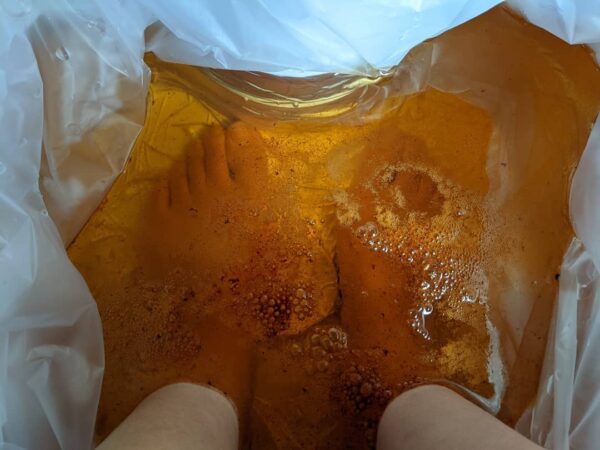
ゴッドクリーナーは、自分の老廃物が少しづつ足の裏から、黒いヘドロのような黒いものが、泡と一緒に出てくるのが、目で見てわかります!
初めてのお客様は、「え!?これ私の足から出てるの!?」とほぼ全員が驚かれます。
例えば、老廃物が見えるのでタバコを毎日すごく吸うお客様だったら、茶色くなり、ニコチンの匂いがします。
メリット3
食品添加物や老廃物が溜まってる現代人におすすめ
超時短デトックス!短期間に、効率的に、デトックスができる
厚生労働省によると、1人の日本人が年間に摂取する添加物の量は、約1.2㎏と言われてます。
ただし、この調査では、添加物に含まれていないモノもあるので、実際には、年間 約8kgと言われてます。
ゴッドクリーナーは、シングルの30分、ダブルの60分コースをご用意しています。
例えば、ダブル60分で、1回デトックスをするだけで、身体の中から、以下の毒素が排出されます。

ゴッドクリーナーの様子(60分) 少しづつ茶色になっていく様子が目でみてわかります
今日食べたものが身体にに影響を与えるまでの日数は、皮膚は30日、血液は120日、骨は3年から5年、筋肉は半年、脳細胞は1年かかるとされてます。
たとえ、良質なサプリメントや、完全無農薬のオーガニック食品を摂取していた場合でも、栄養が行き渡り、体が改善されるまで、上記の日数がかかってしまいます。
しかし、ゴッドクリーナーを利用することで、効率よく一気に短期間で、デトックスすることができます。
メリット4
重金属や化学物質などのデトックスが進むことにより、身体が今まで以上に軽く感じる

しっかり時間をとって寝ても、あまり疲れがとれず、なんとなく体がだるい。。
外に出かけたら、以前と比べて疲れやすくなった気がする。
ある程度年齢を重ねると、誰しもが、思い当たることではないでしょうか?
ゴッドクリーナーで、老廃物をデトックスすることによって、疲れやすい重さが取れたら、
どれだけ生き生きとした毎日を送れることでしょう。
主に循環器などに滞ってる、重金属や科学物質が排出され、デトックスが行われると、
身体の血中やリンパなどの、あらゆる流れが、改善します。
デトックスの回数を重ねるごとに、流れが改善します。
その結果、体感として、体が軽くなった。疲れにくくなった感じがするようになります。
メリット5
あなたの身体にとって、不要なものの排出を促進させる

ゴッドクリーナーは、身体にとって不要なものだけを排出します。
どうして不要なものだけを排出できるのか、と思われるかもしれませんので、説明させていただきます。
例えば、私たちは生活をしていて、トイレに行って尿や便をし、涙が出たり、鼻水が出たり、暑いときには汗をかいて、普段から排出しています。
この排出する行為は、私たちの身体が無意識のうちに、本来持っている機能として、不要なものを外に出しています。ゴッドクリーナーは、その排出の機能をパワーアップさせ、足湯をする感覚で足から集中して排出させる機械です。
ゴッドクリーナーを利用していただくと、透明だった水の色が変化し、黒のヘドロのようなものや、白いふわふわしたものなどが浮遊物として出てきます。ゴッドクリーナー中は水分補給をしながら、その後は激し運動を控えていただき、ゆっくり過ごされることをオススメしています。
デメリット1
集中してデトックスする場合、体力がないと、ふらっとする

ゴッドクリーナーでは、身体の中の悪いもの良いもの含め、全て排出されます。
短期間にダブルを複数回利用し、集中したデトックスを行った場合は、ふらっとする、貧血のような立ちくらみ可能性があります。
集中してデトックスする場合は、栄養補給をしながら、並行して体力をつけ、デトックスを行うことが必要です。
デメリット2
携帯電話・スマートフォンなど、電話をしながら利用しにくい

ゴッドクリーナーは、身体に健康な人の周波数を使って、超微弱電流を流す仕組みがあります。
ですから、ゴッドクリーナーはデトックス機器ですが、波動セラピーの健康機器でもあります。
携帯電話や、スマートフォンなどの家電製品を触りながら、ゴッドクリーナーを利用する場合、電磁波の影響を受けやすくなります。電磁波が、ゴッドクリーナーの周波数に影響を及ぼす可能性があるため、出来るだけ控えていただく方が、機器の精度が高まり、その結果としてデトックスの効率も上がることに繋がります。
デメリット3
換気が徹底されてない部屋だと排毒の影響を受けてしまう

当サロンのような、不特定多数の方がゴッドクリーナーを利用するような環境の場合で、換気が徹底されてない場合、他の方が排出した、排毒の影響を受ける可能性があります。
ゴッドクリーナーの機器からは、目には見えませんが、気体で排出されるガスのようなものもあり、そのような排毒の空気を吸うと、めまいや嘔吐をしてしまう危険性もあります。
当サロンはプライベートサロンで、お客様が重なるようなことはございません。また、排毒が徹底されるように、ゴッドクリーナーを利用する前、利用中、利用後、全ての状態で、換気を行うように徹底しています。
利用される方も、他の方も、全ての方が安心してご利用できる環境を整えています。
Benefits of using GOD-CLEANER
足湯デトックスのゴッドクリーナーをおすすめしたい理由
ゴッドクリーナーをお探しの場合、googleで検索すると、多くのサロンが表示されます。
健康サロンや、エステサロンなど、アロマサロン・整体治療院などが乱立しますが、当サロンを選んでいただいてる理由をご紹介いたします。
理由その1
ニュースキャンを併用して使うことで、お客様の変化状態を定量的に、数字で確認できる

ニュースキャンのリサーチ機能を使うことで、本当にデトックスができてるのか、数字で目視で確認することが可能です。
足湯をするだけのゴッドクリーナーで足が軽くなっただけでは、信じられない方も、ご納得していただくことが可能です。
理由その2
単体でご利用するよりも、複合的にサービスを利用することで、超時短で老廃物のデトックスが可能

ニュースキャンをはじめとし、ライフウェーブを使った光線療法や、よもぎ蒸し、足圧などを使い、なかなかデトックスしにくいカラダの方でも、排毒しやすい環境をご用意させていた抱いております。
通常のゴッドクリーナー単体だけをご利用するより、はるかに超時短で、排毒が可能なノウハウがございます。
理由その3
体の知識はもちろん、サービスや商品知識が豊富
例えば、肩こりひとつにしても、筋肉のコリはもちろん、電磁波の可能性や、リンパの流れの懸念など、多くの可能性が考えられます。
まだまだ常に発展途上の知識ではございますが、お客様が気づかれてない部分にアドバイスをし、お役に立たせていただいております。
ゴッドクリーナーのご利用前のご確認
注意した方がいい方
以下の方は、ゴッドクリーナーのメニューを受けれますが、好転反応が出る可能性がございます。
一時的には悪化したように見えたり、感じたりしますが、時間とともに、自然治癒力が働き、デトックスが加速する状態です。
好転反応は、元の健康な身体に戻ろうとしてる状態のあらわれでもあります。
- アトピーの方
- 化学物質に過敏な方
- 電磁波に過敏な方
- 敏感な方
ひかえた方がいい方
以下内容に該当するお客様は、大変申し訳ございませんが、ゴッドクリーナーのご利用を控えさせていただいております。
ご利用を検討されてるお客様は、ご確認お願いいたします。
- 7歳以下のお子様
- 妊娠中の方、または授乳中の方
- 心臓ペースメーカーをご利用中の方
- お身体の中に、金属を埋め込んでいる方
- 精神疾患、不整脈(軽度は可)がある方
- 足の周辺に感染しやすい傷や、皮膚疾患がある方
God Cleaner Gold Review
ゴッドクリーナーをご利用いただいてるお客様の声


- 匿名さん
- 男性
- 関西


- デトックス大好きさん
- 45歳
- 女性
- 奈良県

何十年かぶりに体験しました。
とてもリラックスした空間と店主さんのほんわかムードと
お水もとてもこだわってらっしゃり、安心してうけることができました。
再び注目されているのには、訳がある。
今回は30分でしたが、びっくり!
その後の体調面の注意説明もあり、とても良かったです。(まだ途中ですが)
グルタチオンなどもパッチMDやリポゾーム…
何十年かぶりに体験しました。
とてもリラックスした空間と店主さんのほんわかムードと
お水もとてもこだわってらっしゃり、安心してうけることができました。
再び注目されているのには、訳がある。
今回は30分でしたが、びっくり!
その後の体調面の注意説明もあり、とても良かったです。(まだ途中ですが)
グルタチオンなどもパッチMDやリポゾームで摂ってますが、30分でこの結果にはおどろきです。


God Cleaner Gold Q and A
ゴッドクリーナーのよくあるご質問
- Q足をつけるときに、入れる白い粉は何ですか?
白い粉は、メキシコ産の塩で、天日塩と呼ばれる塩です。商品名は酵素塩(こうそえん)。
この塩の特徴は、非常にキメが細かくサラサラしており、にがりが少ないです。
にがりが少ないと、デトックス結果が安定するため、ゴッドクリーナーの塩として最適の塩として採用しております。
(一般の塩でも代用はできますが、デトックス結果にムラが発生しますので、控えております)
- Qゴッドクリーナーをしながら、スマートフォンで電話ができないのはどうしてなのでしょうか?
当サロンでは、スマートフォンのご利用は、電話(通話)以外でのご利用は大丈夫です。
その理由は、ゴッドクリーナーの製品特性上、電磁波の影響を受けやすい性質があるためです。電磁波の影響を受けると、ゴッドクリーナーの故障につながります。
またお客様のデトックスに影響し、色が出にくくなる場合もございます。ですので、できるだけ電磁波の影響を受けない環境をご用意させていただいております。
お楽しみできる本をたくさんご用意しておりますので、読書するのもおすすめです。- Qゴッドクリーナーのレンタル(貸出)はできますでしょうか?
大変申し訳ございません。2022年10月現在、今のところレンタルやリースなどは考えておりません。
もし、ご購入をお考えでしたら、別途お問い合わせをお願いいたします。
ゴッドクリーナーをご購入前に試してみたい方もご連絡ください。- Q職場がシェディングの影響でとても辛いのですが、、
かしこまりました。カウンセリングをさせていただき、ゴッドクリーナーなどでデトックスした方がいいかと思います。
初めての方は、ニュースキャンも合わせて全体を確認させていただいた方がよいかと思います。
Reservation Status
| 2024/4 | ||||||
|---|---|---|---|---|---|---|
| 月 | 火 | 水 | 木 | 金 | 土 | 日 |
| 22 | 23 | 24 | 25 | 26 | 27 | 28 |
| 29 | 30 | 5/1 | 2 | 3 | 4 | 5 |
| 6 | 7 | 8 | 9 | 10 | 11 | 12 |
最近のゴッドクリーナーの関連記事
- 22/06/01
ゴッドクリーナーはどれくらい通えばいいの?という疑問にお答えします!これからゴッドクリーナーを利用して始めようと考えてる...
デジタルデトックスたまにしてますか?今回はデジタルデトックスを知らない方、知ってても何から始めていいかわからない方のため…
ゴッドクリーナーとよく一緒にするメニュー


- 星5つ中の4.9
22件のグローバル評価
- 星5つ中の5
3件のグローバル評価